Published 20/11/2024 – est. 5 minutes to read.
The risks and what you can do to stay safe!
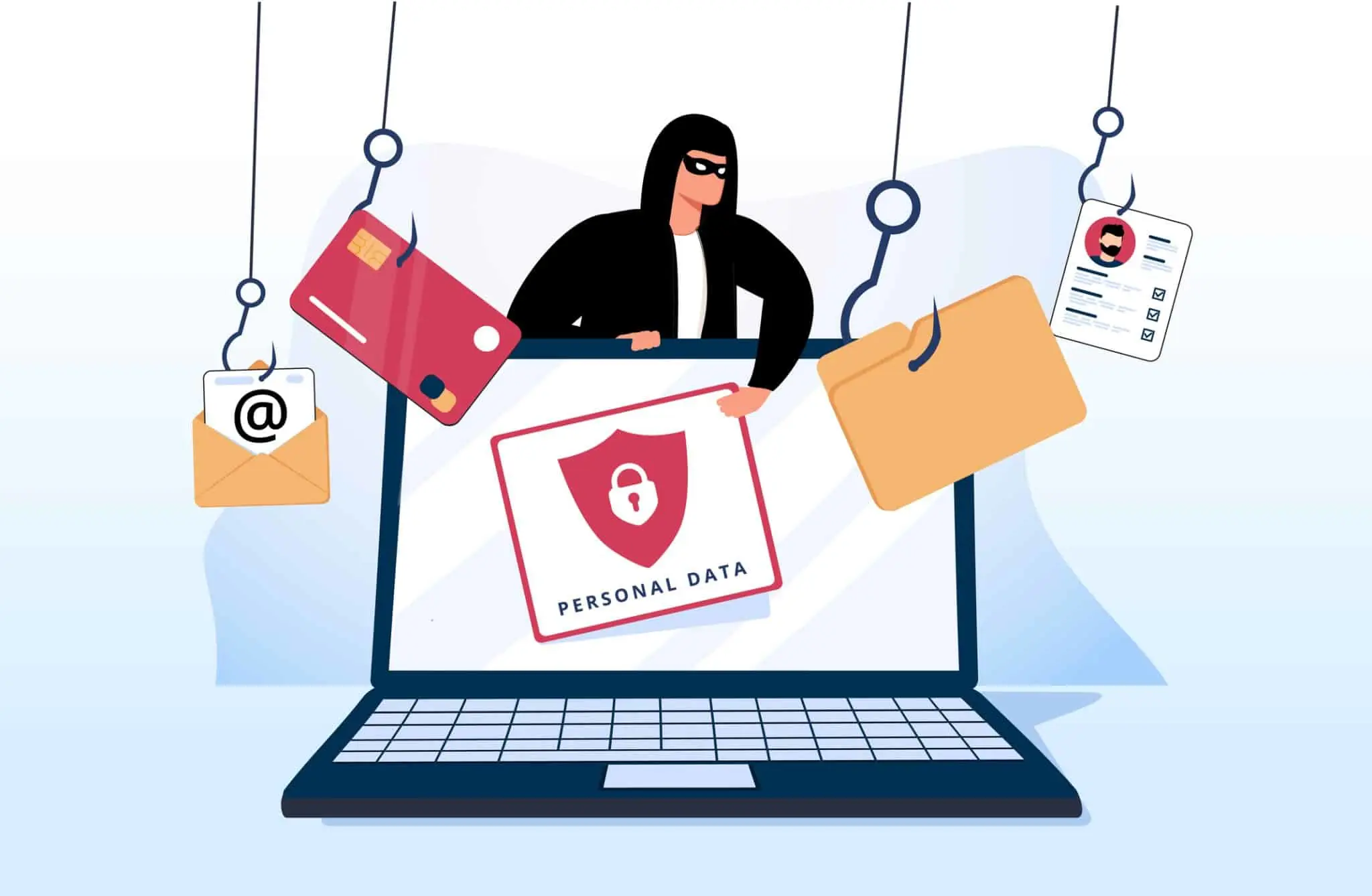
Social engineering in security is the manipulation or deception of individuals into revealing confidential or sensitive information, or into performing actions that may compromise an organisation’s security. Unlike traditional hacking, which relies on technical exploits or software vulnerabilities, social engineering focuses on human psychology and exploiting individuals’ trust, emotions, and behaviour. The attacker uses these tactics to gain access to sensitive data, often by posing as someone trustworthy or in need of assistance.
Types of Social Engineering:
- Phishing/Vishing (Voice Phishing) – when cyber criminals use scam emails, text messages, or phone calls to trick their victims.
- Pretexting – the use of a fabricated story, or pretext, to gain a victim’s trust and trick or manipulate them into sharing sensitive information and/or downloading malware onto their work devices.
- Baiting – where a scammer uses a false promise to lure a victim into a trap which may steal personal and financial information or infect the system with malware
- Tailgating – exploiting an individual’s kindness and using deception to gain access to a controlled area by closely following someone with legitimate access credentials, often with the door held open for them out of kindness from the victim.
Defending against social engineering
It can be a challenge for many organisations, as the most critical vulnerability is human error. Common factors that make this a challenge include organisations underestimating human behaviour, lack of awareness, overconfidence, emotional manipulation, and the sheer difficulty of detecting such attacks.
The failure to defend against social engineering can have severe consequences for both the individual and the organisation.
These implications can include:
- Data Breaches
- Financial Loss
- Reputational Damage
- Malware and Ransomware Infections
- Regulatory Consequences
- Operational Disruption
Just like any other form of cyber-attack
Social engineering attacks can be defended against in numerous ways to help prevent potential threats.
- Education, Simulations and Training: Frequent training for employees about the common signs of social engineering. Employees should learn how to recognise phishing emails, suspicious phone calls, and unfamiliar requests. Phishing simulations and Security Awareness Courses can help reinforce training and improve overall awareness.
- Multi-Factor Authentication (MFA): Enabling MFA across all accounts and systems adds an extra layer of security, making it harder for attackers to succeed even if they obtain login credentials through social engineering.
- Verification Processes: Establishing verification processes for sensitive requests, such as money transfers or the sharing of confidential information, can prevent attackers from exploiting trust. Always verify through trusted channels before acting on any unexpected requests, and never grant access to the building to someone you do not know or recognise before internal authorisation. Always double-check before permitting entry.
- Secure Communication Protocols: Use secure communication methods, such as encrypted email, secure file-sharing platforms, and trusted voice communication tools, to ensure sensitive information is transmitted safely.
- Encourage a Security-Conscious Culture: Encourage employees and individuals to question unsolicited requests, be sceptical of urgent requests, and report suspicious activity without fear of negative consequences if their suspicions are wrong. It’s better to be safe than sorry! A security-conscious culture can help make social engineering attacks much less effective.
While network and system defences are an important part of an organisation’s security posture, the human element is often the weakest link and is often forgotten. It is important for all organisations and individuals to prioritise education, awareness, and vigilance to effectively defend against these attacks, as the best defence against social engineering is a well-informed, educated, and cautious workforce.
To find out more about Security Awareness Training, conduct a Cloud Security audit, or discuss our services, connect directly with our technical team:
Telephone: 0161 706 0244
Email: info@cybersecurityspecialists.co.uk
Related Pages